


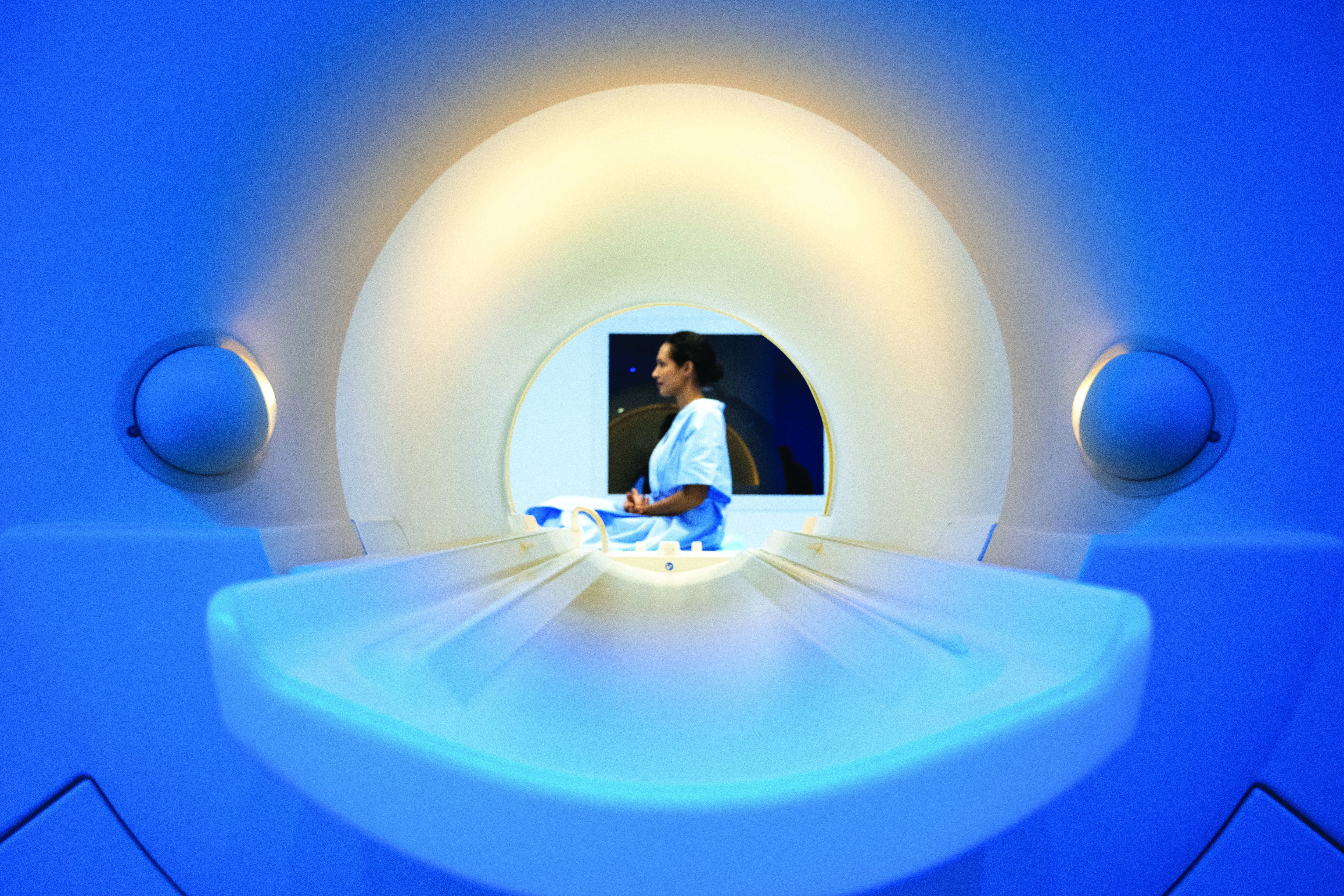
Magnetic resonance imaging (MRI) is a cornerstone of modern diagnostic medicine and plays a central role in patient pathways across a wide range of clinical specialties in NHS England1.
Over the past two decades, advances in scanner hardware, gradient performance, radiofrequency coil design and image reconstruction software have substantially expanded both the diagnostic capability and clinical utility of MRI2.
Techniques that were once limited to specialist centres – such as diffusion-weighted imaging, cardiac MRI, functional MRI and multiparametric prostate imaging – are now routinely integrated into clinical practice, driving increased demand for scanner time and placing growing pressure on imaging services3.
Alongside these clinical developments, the technological profile of MRI systems has evolved markedly.
The past 20 years have seen a shift towards higher field-strength systems, particularly the wider adoption of 3 Tesla (3T) scanners4, as well...
Sign in to your account
Log in
This content is available to registered users only. Please sign in to continue.
If you are not yet registered, please create your account on www.sor.org and verify your membership status. Once your account has been set up, return here and sign in to access the content.
Set up your account