


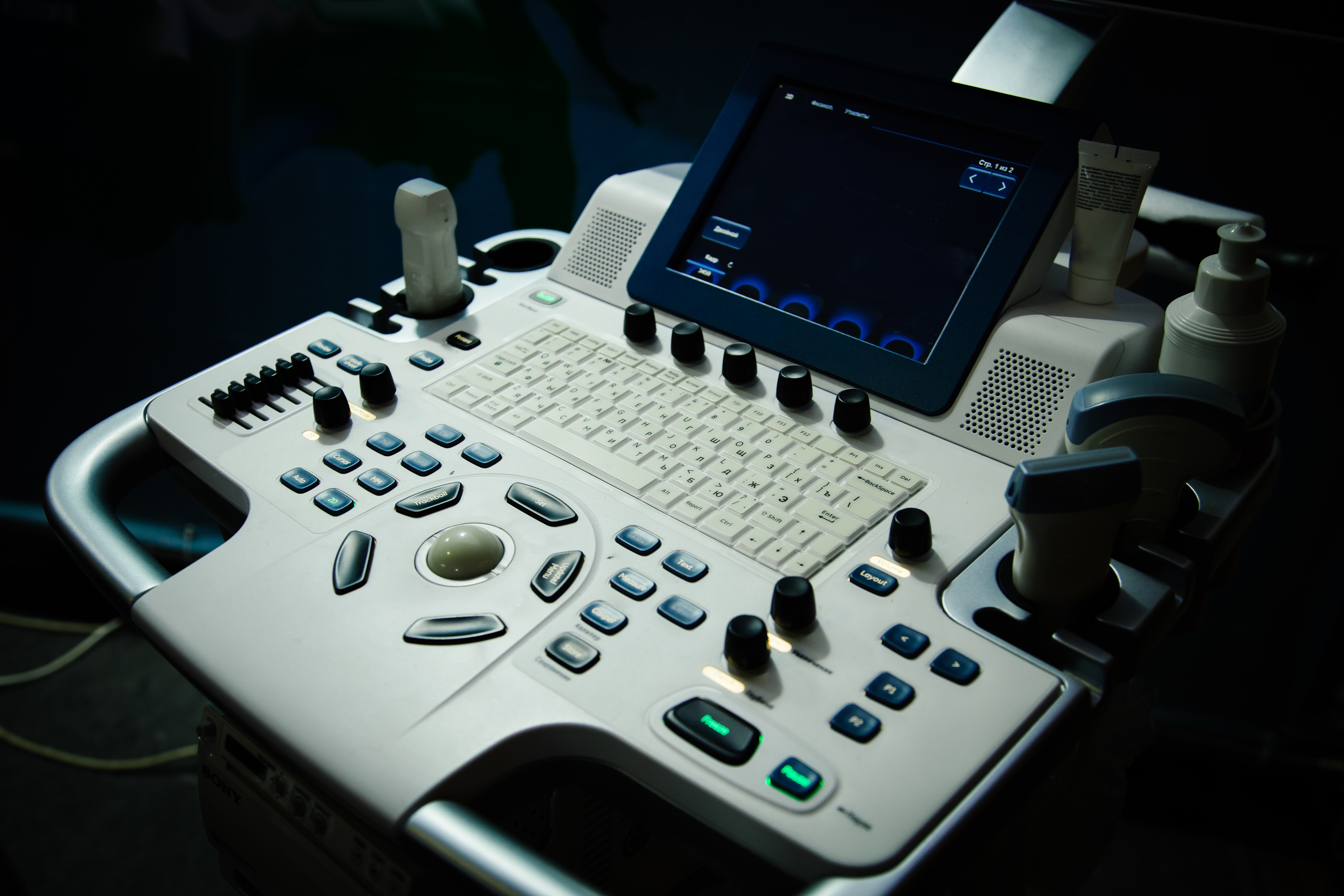
Polycystic ovary syndrome (PCOS) is one of the most common endocrine conditions affecting women, yet variation in its diagnostic pathway remains a persistent challenge across UK imaging services. A major contributor to this inconsistency is the ultrasound assessment of polycystic ovarian morphology (PCOM), a key component of the Rotterdam diagnostic criteria¹. Despite updated international guidance, real-world practice continues to vary widely, with many departments still using outdated follicle thresholds or incomplete reporting elements²,³. For patients, this variation can lead to delayed diagnosis, repeated scans and uncertainty when imaging findings do not align with clinical symptoms.
Although often viewed as a technical task, PCOM assessment reflects deeper governance issues. Differences in acquisition technique, reporting practice, equipment capability and local protocols all influence the reliability of follicle number per ovary (FNPO) and ovarian volume. Even small deviations in sweep completeness, image...
Sign in to your account
Log in
This content is available to registered users only. Please sign in to continue.
If you are not yet registered, please create your account on www.sor.org and verify your membership status. Once your account has been set up, return here and sign in to access the content.
Set up your account