


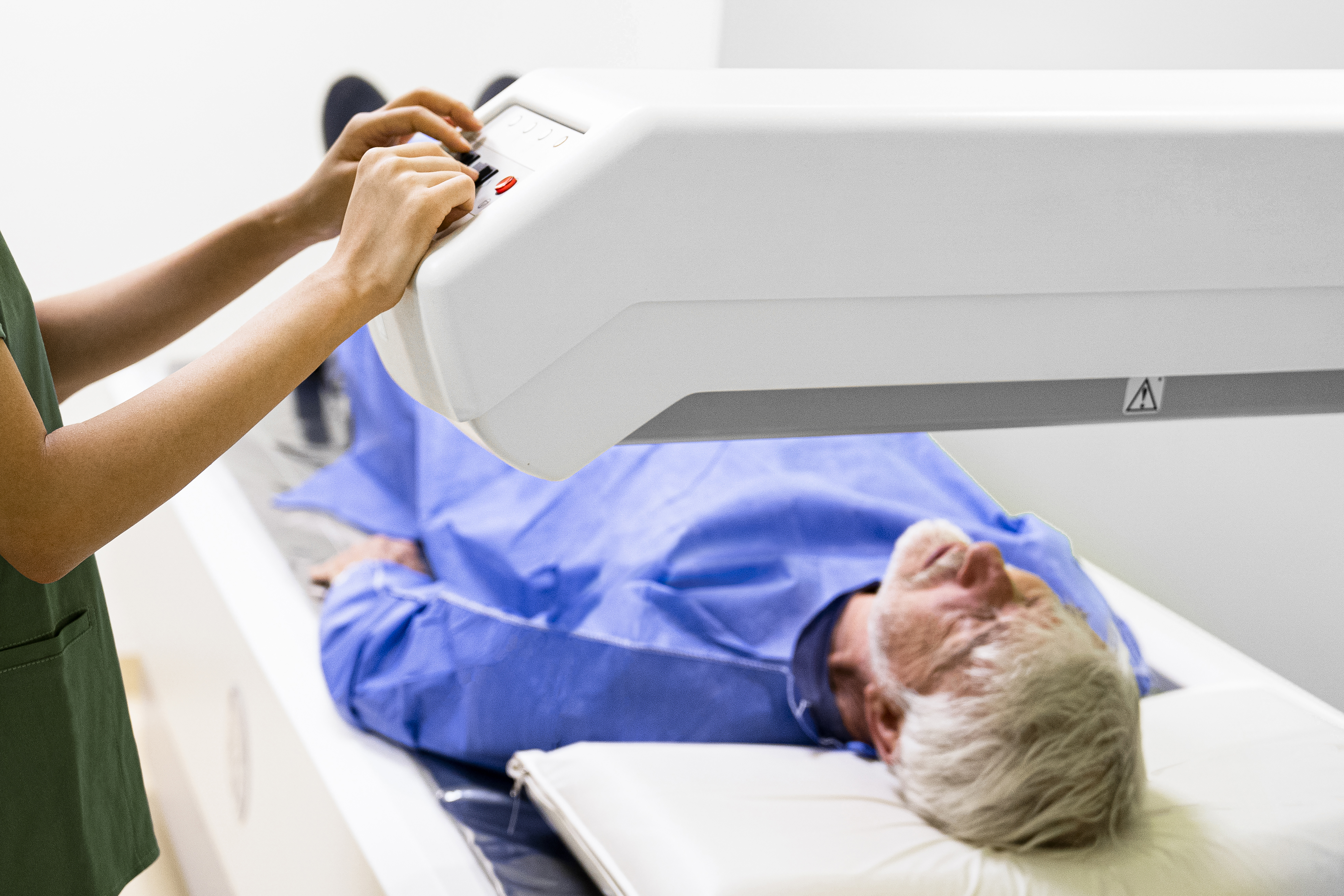
Osteoporosis is a metabolic bone disease characterised by a reduction of bone mineral density (BMD) and deterioration of the bone microarchitecture1. BMD remains the central diagnostic indicator of osteoporosis. Osteoporosis is a complex, often asymptomatic skeletal condition that can be classified as primary or secondary and is frequently only identified following a fragility fracture. It is commonly seen among elderly patients, leading to increased incidence of fragility fracture and fracture risk2. Demographic forecasts predict a 19.6% rise in the UK’s ageing population by 2030, thus increasing the burden of fragility fractures and osteoporosis3. Osteoporosis is typically diagnosed using dual-energy X-ray absorptiometry (DXA), the gold standard method that measures BMD and provides a T-score, used for the diagnosis of osteoporosis criteria when the T-score is ≤ - 2.5 in the femoral neck, total hip or lumbar spine on a DXA...
Sign in to your account
Log in
This content is available to registered users only. Please sign in to continue.
If you are not yet registered, please create your account on www.sor.org and verify your membership status. Once your account has been set up, return here and sign in to access the content.
Set up your account